Free Cash Flow Calculator with live data
Free cash flow calculator for investors. Compute simple FCF, unlevered FCFF, and levered FCFE, plus FCF per share, FCF yield, and FCF margin. Enter figures yourself or auto-fill real numbers from any ticker.
 AAPL
AAPLUnlevered FCFF
5-year FCF
—What counts as a good FCF?
When there's no clean cash-flow-statement figure, you can build FCF up from net income: start with net income, add back non-cash charges like depreciation and amortization, subtract the increase in net working capital, then subtract capex. Both routes should land in the same place.
FCF vs. FCFF vs. FCFE
Simple FCF
FCFF · unlevered
FCFE · levered
The logic: FCFF is bigger than simple FCF because it undoes the effect of interest payments, viewing the firm as if it had no debt. FCFE adjusts for actual financing, adding cash the company raised through new debt and subtracting what it repaid. If a company is a net repayer of debt (like Apple, which returns cash to shareholders), its FCFE comes out below its simple FCF.
FCF yield and FCF margin
Is negative free cash flow bad?
FCF Formula, two key inputs is all you need
The simplest free cash flow formula is operating cash flow minus capital expenditures
AAPL's FCF Calculation Example, line by line
Here's AAPL's Free Cash Flow (FCF) using its latest fiscal figures, the same numbers investors use to evaluate a company's ability to generate cash. Enter these values into the calculator above to see the calculation in action.

AAPL Inc.
Find Cash Generated from Operations
Operating Cash Flow = $118.3B
Cash generated from AAPL's core business before investing activities.
Account for Capital Investments
Capital Expenditures = $9.4B
AAPL spent this on facilities, equipment, retail stores, and infrastructure.
Calculate Free Cash Flow
FCF = Operating Cash Flow − CapEx
FCF = $118.3B − $9.4B
Evaluate Financial Strength
AAPL kept $108.8B after paying for the investments needed to run and expand the business.
Five mistakes that lead to misleading Free Cash Flow calculations
If your Free Cash Flow (FCF) looks unusually high or low, one of these common mistakes is often the reason.
Using net income instead of operating cash flow
Always use Cash Flow from Operating Activities from the cash flow statement.
Forgetting to subtract capital expenditures
Always subtract CapEx from operating cash flow when calculating FCF.
Using the wrong CapEx value
Verify the total capital expenditures reported in the cash flow statement.
Comparing Free Cash Flow across different industries
Compare companies within the same sector whenever possible.
Looking at Free Cash Flow in isolation
Evaluate FCF alongside revenue growth, operating cash flow trends, debt levels, profit margins, and return on invested capital (ROIC) for a more complete picture of financial performance.
Frequently asked questions

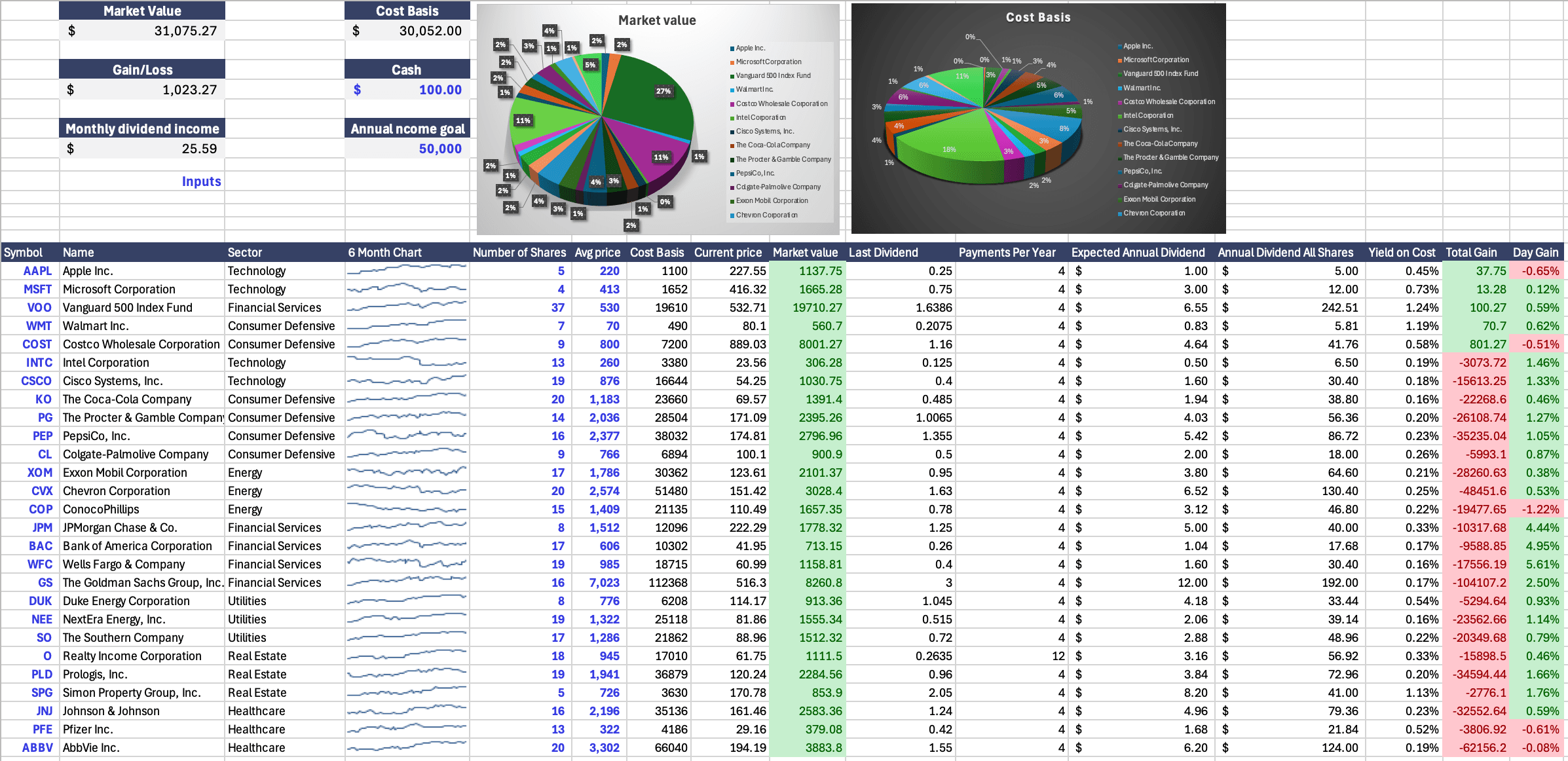
Want To Do This In Your Own Spreadsheet?
Wisesheets lets you create a model in your spreadsheet where you change the ticker and all of the data automatically updates for you.
Get Free Trial