
Oxley Bridge Acquisition Limited - Current Ratio
OBA
Price:
$10.34
Market Cap:
$327.00M
Established in 2024 and operating out of Vancouver, Canada, Oxley Bridge Acquisition Limited is dedicated to pursuing business combinations, such as mergers, acquisitions, or other corporate restructuring events, with companies in the consumer and technology industries.
Industry
Shell Companies
IPO Date
2025-06-25
Stock Exchange
NASDAQ
Ticker
OBA
PE Ratio
[32.31]
ROE
[6.95%]
Current Ratio
[5.25]
Dividend Yield
[0%]
Enterprise Value
[326.27M]
Dividend History
The Current Ratio as of September 2026 (TTM) for Oxley Bridge Acquisition Limited (OBA) is 5.25
According to Oxley Bridge Acquisition Limited’s latest financial reports and current stock price. The company's current Current Ratio is 5.25. This represents a change of -29.74% compared to the average of 7.47 of the last 4 quarters.
Oxley Bridge Acquisition Limited (OBA) Historical Current Ratio (quarterly & annually)
How has OBA Current Ratio performed in the past?
The mean historical Current Ratio of Oxley Bridge Acquisition Limited over the last ten years is 4.76. The current 5.25 Current Ratio has changed 10.94% with respect to the historical average. Over the past ten years (40 quarters), OBA's Current Ratio was at its highest in in the June 2025 quarter at 20.29. The Current Ratio was at its lowest in in the September 2024 quarter at 0.
Average
4.76
Median
4.76
Minimum
0
Maximum
9.51
Oxley Bridge Acquisition Limited (OBA) Current Ratio by Quarter and Year
Discovering the peaks and valleys of Oxley Bridge Acquisition Limited Current Ratio, unveiling quarterly and yearly fluctuations to gain insights into the company’s financial performance and market dynamics, offering valuable data for investors and analysts alike.
Maximum Annual Increase = Infinity%
Maximum Annual Current Ratio = 9.51
Minimum Annual Increase = 0%
Minimum Annual Current Ratio = 0
| Year | Current Ratio | Change |
|---|---|---|
| 2025 | 9.51 | Infinity% |
Oxley Bridge Acquisition Limited (OBA) Average Current Ratio
How has OBA Current Ratio performed in the past?
The current Current Ratio of Oxley Bridge Acquisition Limited (OBA) is greater than its 3-year, greater than its 5-year, and greater than its 10-year historical averages
3-year avg
4.76
5-year avg
4.76
10-year avg
4.76
Oxley Bridge Acquisition Limited (OBA) Current Ratio vs. Peers
How is OBA’s Current Ratio compared to its peers?
Oxley Bridge Acquisition Limited’s Current Ratio is greater than Lionheart Holdings (0.00), greater than Jackson Acquisition Company II (0.77), greater than Launch One Acquisition Corp. (0.22), less than ProCap Acquisition Corp (28.27), less than Andretti Acquisition Corp. II (43.94), greater than Artius II Acquisition Inc. Class A Ordinary Shares (0.03), less than Crane Harbor Acquisition Corp. (25.54), less than Aldel Financial II Inc. (16.76),
| Company | Current Ratio | Market cap |
|---|---|---|
| 0.00 | $319.78M | |
| 0.77 | $318.39M | |
| 0.22 | $318.61M | |
| 28.27 | $263.71M | |
| 43.94 | $316.35M | |
| 0.03 | $293.08M | |
| 25.54 | $291.34M | |
| 16.76 | $323.17M |
Build a custom stock screener for Oxley Bridge Acquisition Limited (OBA) and other stocks
One of the best ways to find valuable stocks to invest in is to build a custom made screener in your Excel or Google Sheets spreadsheet. This allows you to compare thousands of companies like Oxley Bridge Acquisition Limited using the financials and key metrics that matter to you in a single view.
The easiest way to set this up is to use the Wisesheets add-on and set your spreadsheet like this:
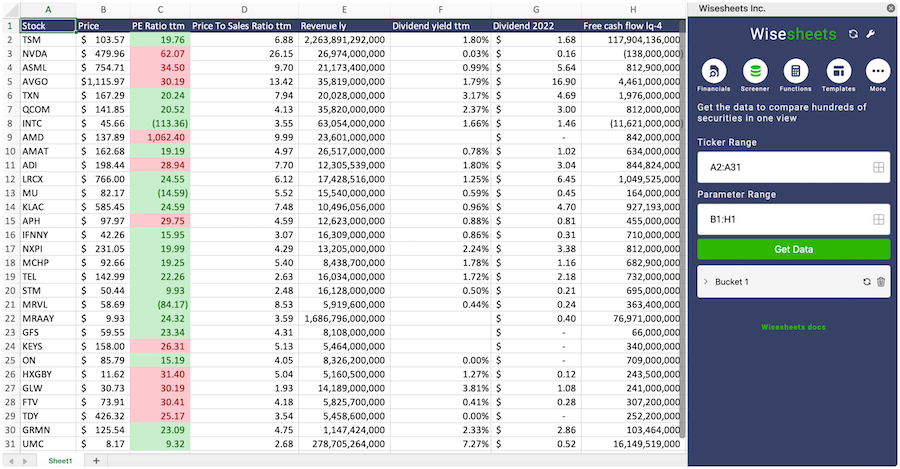
Covering all these metrics from financial, data, dividend data, key metrics and more you can get all the data you want for over 50+ exchanges worldwide.
Get your free trial here.
Oxley Bridge Acquisition Limited (OBA) and other stocks custom spreadsheet templates
The easiest way to analyze a company like Oxley Bridge Acquisition Limited or any others is to create a spreadsheet model that automatically retrieves all of the stock data you need.
Using Wisesheets you can set up a spreadsheet model like this with simple spreadsheet formulas. If you change the ticker you can get all of the data automatically updated for you.
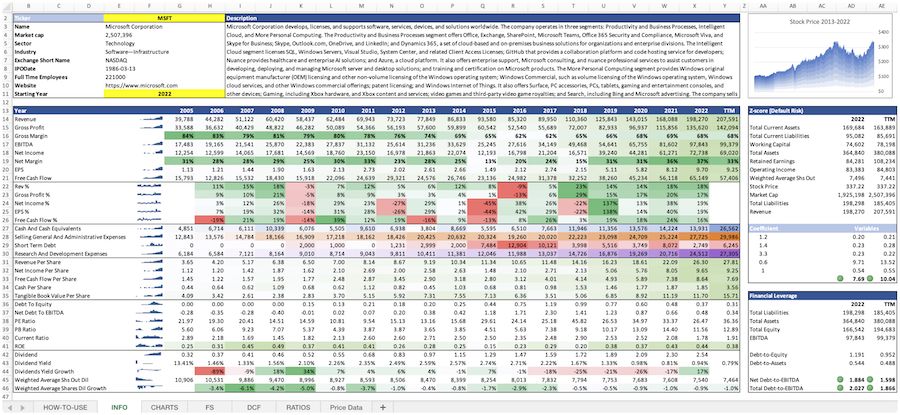
Whether you need live data, historical price data, financials, dividend data, key metrics, analyst estimates, or anything else...Wisesheets has you covered.
Frequently asked questions❓
What is the Current Ratio?
How can you use the Current Ratio?
What is Oxley Bridge Acquisition Limited's Current Ratio?
How is the Current Ratio calculated for Oxley Bridge Acquisition Limited (OBA)?
What is the highest Current Ratio for Oxley Bridge Acquisition Limited (OBA)?
What is the 3-year average Current Ratio for Oxley Bridge Acquisition Limited (OBA)?
What is the 5-year average Current Ratio for Oxley Bridge Acquisition Limited (OBA)?
How does the current Current Ratio for Oxley Bridge Acquisition Limited (OBA) compare to its historical average?